AI Trends in 2026: What’s Actually Working Right Now (Not the Hype)

If you’ve been following artificial intelligence over the last few years, you already know one thing — everything has changed incredibly fast.
What once felt experimental is now deeply embedded in everyday business operations. Back in 2023 and 2024, AI was mostly about excitement and experimentation. By 2025, the focus shifted toward adoption. Now, in 2026, it’s finally about measurable results.
Today, companies are no longer impressed by tools that merely “can do a lot.” Instead, they care about solutions that genuinely save time, reduce costs, increase conversions, and improve customer experience.
In other words, the hype phase is officially over.
What we’re seeing now is practical, focused, outcome-driven AI.
So let’s talk honestly about what’s really working in 2026 — and what’s quietly disappearing.
AI Has Shifted From Creation to Execution
Earlier, most conversations around AI revolved around content generation. Blog posts, captions, product descriptions, emails — everyone was racing to create more, faster.
However, in 2026, the biggest shift isn’t creation anymore. It’s execution.
Modern AI systems now manage complete workflows. Rather than just writing an email, AI can plan campaigns, segment audiences, schedule messages, analyze performance, and optimize results automatically.
At the same time, businesses are using AI to manage CRMs, follow up with leads, qualify prospects, prepare reports, and even coordinate internal projects.
This is where AI starts to feel less like a tool and more like a digital team member.
For small businesses especially, this change has been transformative. Tasks that once required multiple employees can now be handled by one person supported by intelligent automation.
The real value isn’t in “smart replies.”
Instead, the value lies in operational efficiency.
That’s why this remains one of the strongest AI trends of 2026.
Personalization Is No Longer Optional
Generic marketing simply doesn’t work anymore.
People expect relevance.
Because of this, AI-powered personalization has become standard across websites, email campaigns, and online stores. Visitors now see different content depending on their behavior, location, interests, and previous interactions.
As a result, two users can land on the same website and experience completely different journeys.
Not long ago, this level of personalization was expensive and complex. Today, it’s automated.
Brands are actively using AI to tailor headlines, offers, visuals, and recommendations in real time. Consequently, engagement improves and conversion rates rise — not through aggressive selling, but because users feel understood.
This trend is especially visible in e-commerce and SaaS platforms, where AI adapts the entire user experience dynamically.
Personalization, therefore, isn’t a luxury anymore. It’s the baseline.
SEO in 2026 Is About Intelligence, Not Volume
One of the biggest mistakes businesses still make is assuming that AI SEO means publishing hundreds of articles.
That strategy no longer works.
Search engines have evolved significantly. Google now evaluates experience, expertise, authority, and trust more seriously than ever before.
Because of this shift, successful SEO in 2026 looks very different.
AI is widely used for research — finding keyword gaps, analyzing competitors, understanding search intent, and structuring content. However, the writing itself must feel human, insightful, and experience-based.
Websites ranking well today focus on depth, clarity, and originality.
Rather than flooding the internet with surface-level content, they publish fewer pieces — but stronger ones.
At WriteForAI, this hybrid model consistently delivers results: AI supports the process, while humans shape the narrative.
That balance truly matters.
Multimodal AI Is Changing How Content Is Consumed
Text alone is no longer enough.
People now consume information through voice, video, visuals, and interactive formats. Fortunately, AI tools in 2026 understand and generate all of these.
Creators are using AI to edit videos, generate voiceovers, design visuals, and repurpose content across platforms automatically. As a result, a single blog post can become a reel, a podcast snippet, an infographic, and an email campaign.
Meanwhile, voice search continues to grow rapidly. More users are asking questions verbally, which means content must be optimized for conversational queries.
This shift toward multimodal content is forcing brands to think beyond written words.
Those who adapt are seeing massive engagement growth. On the other hand, those who don’t are slowly disappearing from feeds.
Customer Support Has Become AI-First
Customer service is one of the clearest examples of AI delivering real ROI.
Modern AI assistants can now handle complex conversations, understand emotional context, resolve issues, and even recommend products.
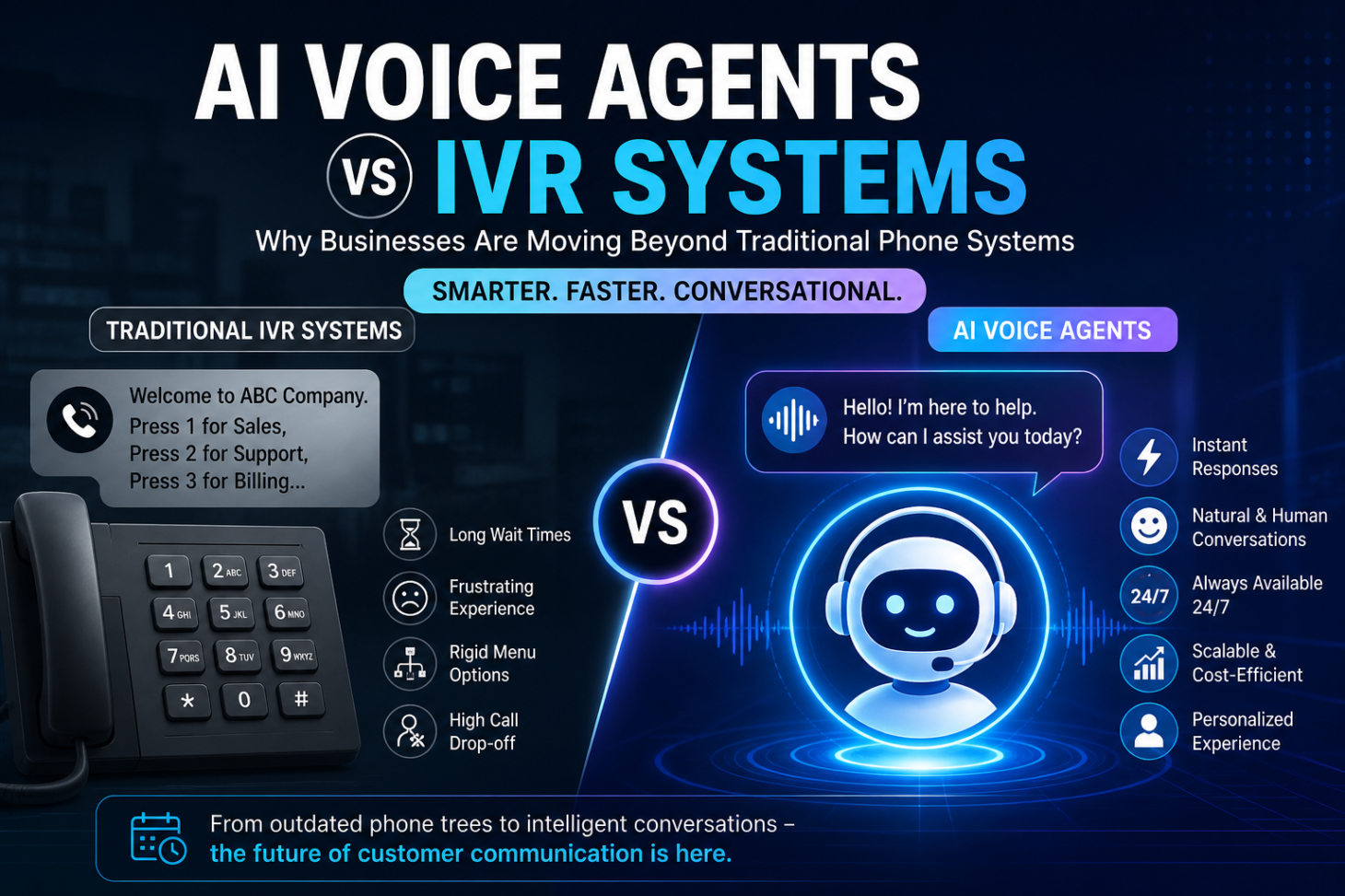
Because of this, businesses are deploying AI across WhatsApp, websites, email, and social platforms. Customers receive instant responses, while support teams focus only on advanced cases.
Not only does this reduce costs — it also improves satisfaction.
After all, people don’t want to wait.
In 2026, fast and intelligent support is expected. AI makes that possible at scale.
Niche AI Tools Are Beating General Platforms
Previously, everyone relied on the same big AI tools.
Now, vertical platforms are taking over.
There are AI solutions designed specifically for real estate agents, fitness coaches, lawyers, marketers, and e-commerce sellers.
These tools outperform general models because they understand industry language, workflows, and data.
So if you want serious results in 2026, you don’t choose “one AI for everything.”
Instead, you choose specialized tools for specific problems.
That’s where true efficiency lives.
AI Is Not Replacing Humans — It’s Reshaping Roles
Despite all the fear, AI hasn’t eliminated creativity.
In fact, it has amplified it.
Writers now spend less time drafting and more time refining ideas. Designers act as creative directors instead of pixel pushers. Meanwhile, marketers focus on strategy rather than repetitive execution.
AI handles the repetitive layer.
Humans handle judgment, emotion, ethics, and storytelling.
This collaboration represents the real revolution.
Those who adapt their roles thrive. Those who resist struggle.
Privacy and Trust Are Becoming Competitive Advantages
With growing regulations and user awareness, privacy-first AI is becoming essential.
People want to know how their data is used.
Because of this, businesses that prioritize transparency, security, and ethical AI practices are earning trust — and trust directly impacts conversion.
In 2026, compliance isn’t just legal protection. It’s a branding strategy.
The Trends That Quietly Died
Not everything survived.
Mass AI spam blogs stopped ranking.
Low-effort ads stopped converting.
Fake authority websites lost visibility.
Over-automated funnels felt cold and impersonal.
Audiences became smarter.
Quality won.
Shortcuts failed.
What This Means for Your Business
If you want to grow using AI in 2026, the approach is simple.
Use AI to remove friction.
Use AI to understand your audience.
Use AI to scale operations.
But never use AI to replace authenticity.
Your story matters.
Your experience matters.
Your voice matters.
Technology should amplify who you are — not erase it.
Final Thoughts
AI in 2026 isn’t about flashy features.
Instead, it’s about clarity.
Clear systems.
Clear messaging.
Clear value.
The brands winning today aren’t chasing every new tool. They’re building sustainable strategies powered by smart automation and human insight.
That’s the future.
And it’s already here.
Frequently Asked Questions (FAQs)
What are the most important AI trends in 2026?
The most important AI trends in 2026 focus on real business impact rather than experimentation. These include AI-driven workflow automation, personalized marketing at scale, smarter SEO supported by AI research, multimodal content creation, and AI-powered customer support. The emphasis has shifted from “what AI can do” to “what AI actually delivers.”
Is AI-generated content still effective for SEO in 2026?
Yes, but only when used correctly. AI-generated content alone does not rank well anymore. In 2026, SEO success comes from combining AI for research, structure, and optimization with human-written insights, experience, and originality. Search engines prioritize value, clarity, and authority over volume.
How is AI changing digital marketing strategies?
AI has transformed digital marketing by enabling real-time personalization, smarter audience segmentation, automated campaign execution, and better performance analysis. Marketers now use AI to understand user behavior deeply and deliver more relevant messaging, rather than relying on generic campaigns.
Are AI tools replacing human jobs in 2026?
AI is not replacing humans; it is reshaping roles. Repetitive and time-consuming tasks are automated, allowing professionals to focus on strategy, creativity, and decision-making. Human judgment, emotional intelligence, and storytelling remain irreplaceable.
What industries benefit the most from AI in 2026?
Industries seeing the biggest benefits include digital marketing, e-commerce, customer support, SaaS, real estate, healthcare administration, and content creation. Vertical AI tools designed for specific industries are delivering better results than general-purpose platforms.
Is AI safe to use with growing privacy concerns?
In 2026, privacy-first AI has become a priority. Many businesses now use AI tools that focus on data security, transparency, and compliance with regulations. Companies that handle user data responsibly are gaining more trust and long-term customer loyalty.
How can small businesses use AI effectively?
Small businesses can use AI to automate operations, improve customer support, personalize marketing, and enhance SEO without needing large teams. When implemented strategically, AI helps small businesses compete with larger brands by improving efficiency and reducing costs.
What AI trends should businesses avoid?
Businesses should avoid mass AI content publishing, low-quality automated ads, fake authority building, and over-automation that removes the human touch. These approaches no longer work and can harm brand credibility and search visibility.